
Diagnosis: Writer's Block
Surviving the blank page

Let’s be honest. Writer’s block sucks. The symptoms appear subtly, discomfort from staring at a blank page. The fractured backbone of your story spawns an unshakeable dead end. The first tingle of a sore throat, the creative dry spell persists.
If only I had the perfect plot, you say and slap a band-aid over the words, drawing solutions from your writer first-aid kit.
Fingers pound the keyboard until a stunning chapter emerges only to receive death by deletion—lack of conflict, rambling plots, a dull voice, and characters depleted of motivation.
A jump back into the manuscript too soon triggers other symptoms. Distractions—any excuse to ditch your chair, aimless paragraph rearrangement, announcements on social media showing writers living their best manuscript moment loosen the bandage. The symptoms persist.
Tried-and-true remedies shared among writers don’t offer relief. The New Year’s resolution of achieving epic word count proportions dwindles beneath the mental block of a story that began immune and ended up in poor health. Writers share common warning signs. Exhaustion from writing in circles, burnt out from rewrites, and debilitated by the belief that your story isn’t good enough plagues the writerly heart.
What writing sometimes needs is a sick day. A day, a week, shelving the story and working on something new, minus the pressure to feel better could be the best medicine yet.
Rehydrate the plot by taking a break. Writer’s block keeps the broken parts of the story from healing. Your personal process and writing rituals require patience and time. A dose of encouragement goes a long way. Open your airwaves and consider feedback by fellow writers, determine if their syringe is full of advice that takes your story in a fulfilling direction, or adds complications. Rest assured, writer’s block doesn’t last forever.
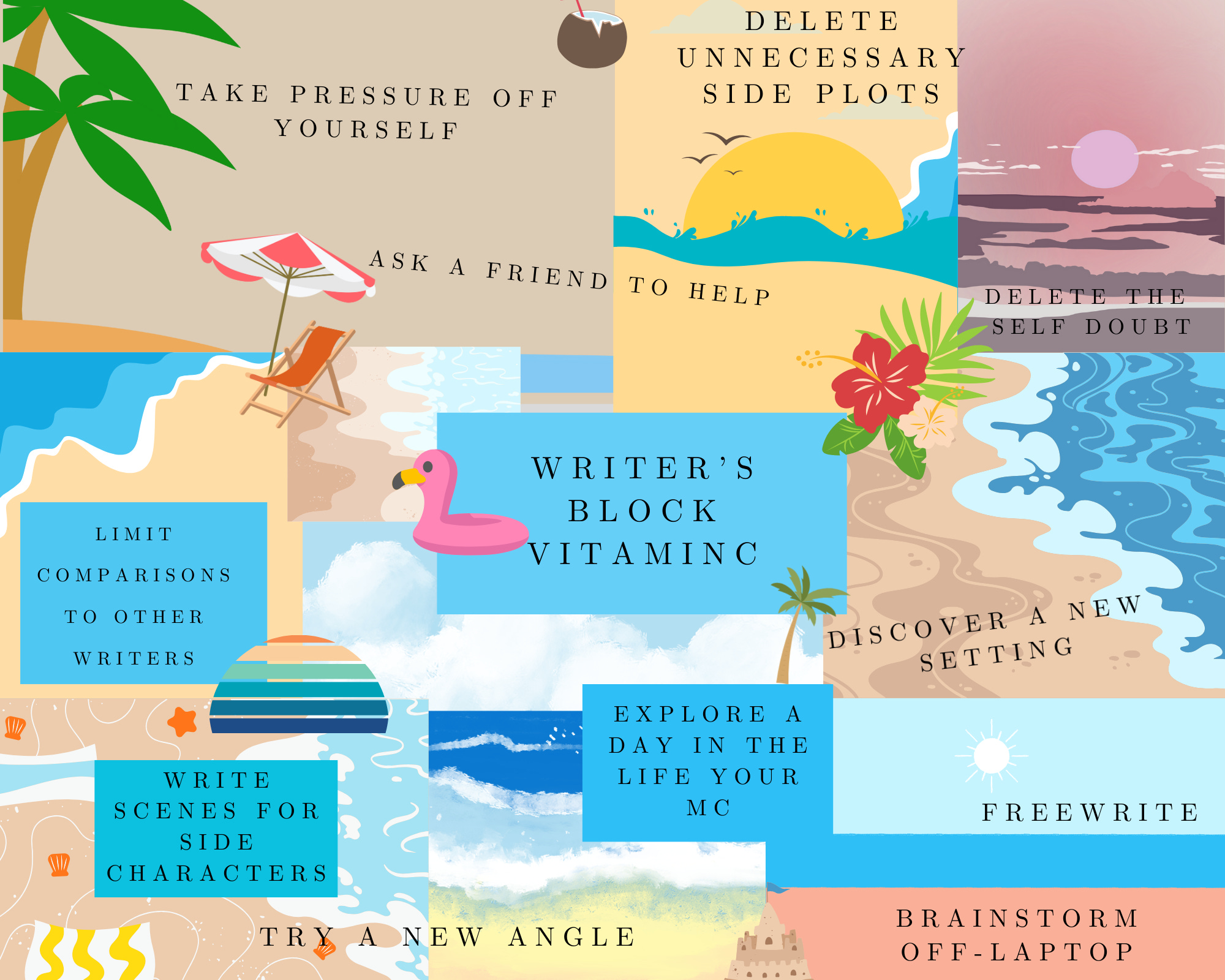
Most importantly, share your best writer’s block tips!
Sincerely,
Emily Duvall
Paper Dragon Newsletter